
Infertility in Men with Mosaic Klinefelter Syndrome

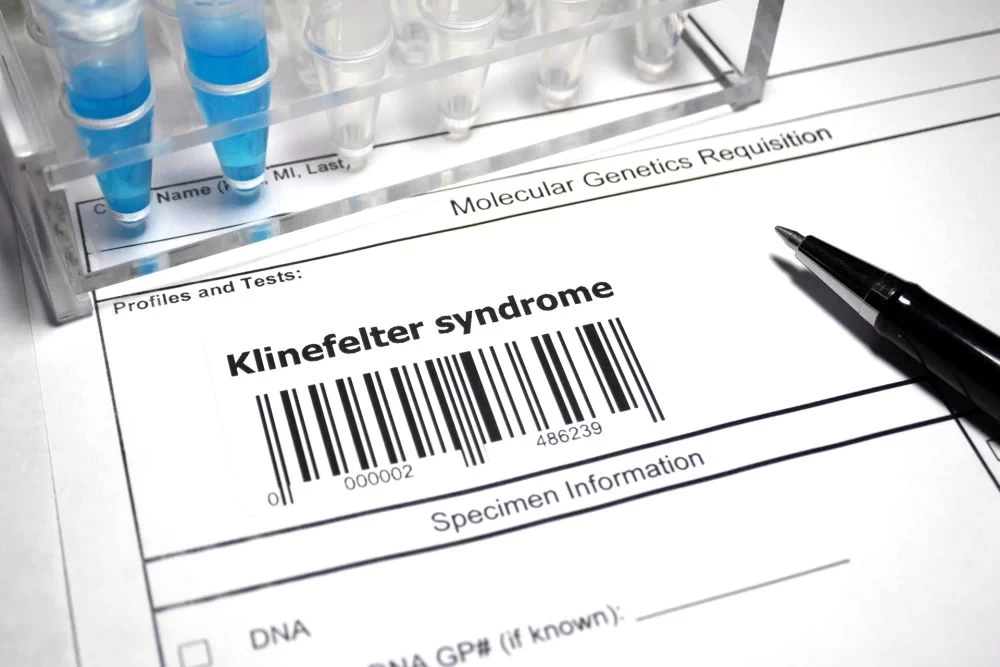
There is more than one type of Klinefelter syndrome. These types are Klinefelter syndrome manifests in multiple forms, generally categorized by the specific combination of X and Y chromosomes they encompass. The most common type of 47,XXY is the classical type of the syndrome and accounts for nearly 90% of cases. The other most common type is mosaic Klinefelter syndrome. In mosaic Klinefelter syndrome, an individual has a mix of cells, some with the typical male 46,XY chromosome structure, and others with 47,XXY configuration. In other words, there is a mixed distribution of cells and it is genetically expressed as 46,XY/47,XXY. Approximately 10% of patients with Klinefelter syndrome have been determined to have mosaic Klinefelter syndrome.
Klinefelter syndrome occurs in approximately one out of every 500 to 1,000 newborn male. It can affect the sexual and physical development of men. In mosaic Klinefelter syndrome, hypogonadism (low or no gender-specific hormones), osteoporosis, or various psychiatric and cognitive disorders seen in the classical type, that is, 47,XXY, are seen much less frequently. Since the syndrome often presents no obvious features, many individuals remain unaware of their condition. Mosaic Klinefelter syndrome arises from errors during the mitotic divisions that occur in the womb after fertilization of the egg by the sperm. You can find more detailed information about Mosaic Klinefelter syndrome symptoms and treatment methods in the rest of our article.
Causes of Mosaic Klinefelter Syndrome
The embryo is formed when the sperm from the father fertilizes the egg, typically occurring in the fallopian tube. This egg and sperm contain chromosomes containing the genetic codes of the mother and father. Then, after fertilization, it continues to grow by constantly dividing. In typical development, absent any cell division errors, a male baby will have a 46,XY chromosome structure. However, during these divisions, errors can occur, such as improper separation of chromosomes. This error is not the result of a hereditary condition and cannot prevented with medications. It usually occurs by chance, and there is no need for this syndrome to be present in other members of the family. However, advanced parental age, especially of the mother may increase the risk of such chromosomal abnormalities. After the faulty division, the baby has 1 extra X chromosome. In other words, it has a 47,XXY chromosome structure. Mosaic Klinefelter syndrome occurs when some cells in the individual have the standard 46,XY chromosome structure, while other have extra X chromosome, resulting in a 47,XXY constitution.
Mosaic Klinefelter Syndrome Symptoms
Mosaic Klinefelter syndrome is a genetic disease that affects men. Many people may not be aware that they have this disease because it has no obvious symptoms. It can usually be noticed by having a different development from their peers during adolescence or by experiencing infertility problems as they get older. The symptomatology of Mosaic Klinefelter syndrome can vary significantly from one individual to another, with some exhibiting noticeable symptoms while others may have none. In general, mosaic Klinefelter syndrome has milder symptoms than the classical form. Mosaic Klinefelter syndrome might experience psychosocial and cognitive issues, such as challenges with social interactions, learning difficulties, and in some cases, delayed speech and language development. Sperm production disorder is caused by problems in testicular development. Very few sperm may come out in the semen or there may be no sperm coming out. A semen analysis is a key diagnostic tool to evaluate sperm count and motility, helping to determine the extent of infertility issues. Research shows that almost all men have a sperm production problem when they want to get married and have children and there is no pregnancy.
Can Mosaic Have a Boy with Klinefelter Syndrome?
A person with mosaic Klinefelter syndrome may have difficulty having children and it is not possible to have a child naturally. However, thanks to today's developing technology, advances in the field of health have made it possible for men with Klinefelter syndrome to have children. Successful results have been obtained by trying treatment options similar to in vitro fertilization in people with Klinefelter syndrome, and the reliability of these methods has been proven.
Mosaic Klinefelter Syndrome Treatment
Currently, there is no cure for mosaic Klinefelter syndrome, but various treatments are available to manage its symptoms. The disease has a 46,XY/47,XXY chromosome structure. Disease symptoms increase depending on the numerical abundance of the 47,XXY chromosome structure. A wide variety of symptoms can be seen in Klinefelter syndrome. In the mosaic form, these symptoms may either not be seen at all or may be milder. These generally include:
- Hormone Therapy: Testo****one is the primary sex hormone in men. If male hormone levels are low, treatment can be started to improve the symptoms such as lack of facial hair, reduced muscle mass, and low energy levels. If symptoms appear at an early age, starting treatment may increase its effectiveness. It can also cure a person if he has psychosocial problems. It does not increase infertility, that is, sperm production. It is important to note that while hormone replacement therapy can. Improve certain symptoms, it does not cure underlying chromosomal condition.
- Psychotherapy: The majority of children with Klinefelter syndrome may have depression, anxiety, and various learning difficulties. This situation may affect his social life. Therefore, working with a psychiatrist or psychologist throughout the process to support the psychosocial situation can provide improvements in improving the person's social skills.
- Language and Speech Therapy: One of the symptoms of the syndrome is that the person's speech and language muscles are weak. Therefore, getting help from a language and speech therapist especially during childhood and adolescence can contribute to improving the situation. These symptoms are less common in men with mosaic Klinefelter syndrome.
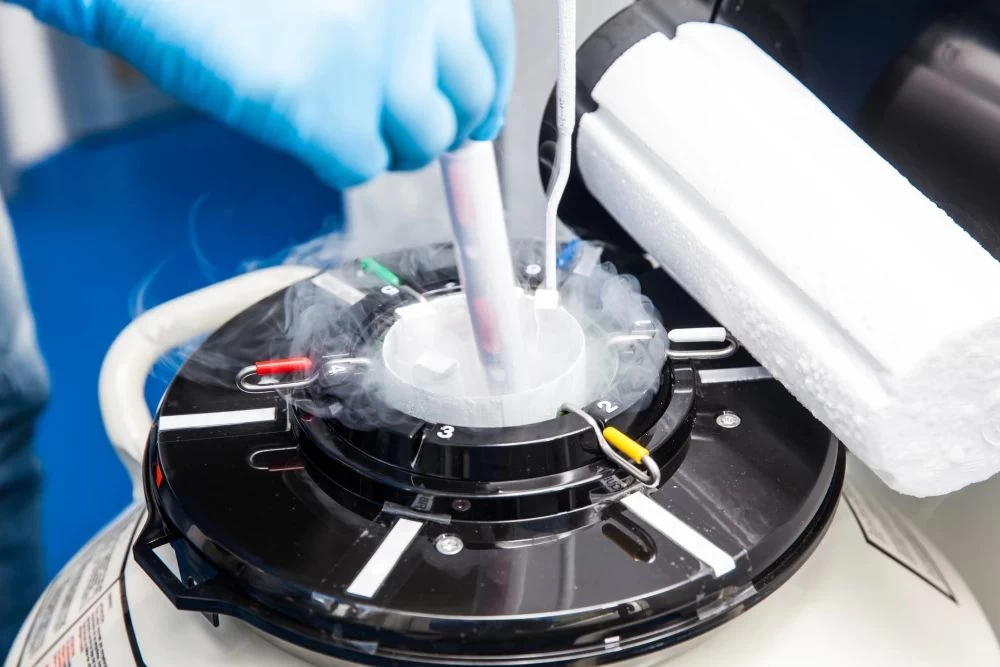
- Infertility Treatment: People with Klinefelter syndrome have little or no sperm in their testicles. This condition affects the person's reproductive activity and can make it difficult to have children. Men with mosaic Klinefelter syndrome may also have low sperm production and a low number of sperm in the semen. Azoospermia, that is, no sperm in the semen, may be observed at a lower rate than the classical form. Men who do not have any sperm in their semen can also have children with the microinjection (ICSI). Surgical sperm retrieval techniques from testicular tissue are explained in detail in our article on sperm retrieval. The success rate of sperm retrieval and subsequent fertility treatment success may vary. The microsurgical skill of the surgeon is the key factor in men with Klinefelter syndrome finding sperm in testicular tissue. Among the sperm retrieval methods, micro-TESE provides a high rate of sperm retrieval success.
The individuals diagnosed Mosaic Klinefelter syndrome may require medical monitoring to manage potential long-term health issues such as osteoporosis, cardiovascular health, and metabolic syndrome. The treatment should be tailored to the individual’s specific symptoms and needs, and regular follow-up with healthcare professionals is essential for optimal management of the condition. Individuals diagnosed with Klinefelter syndrome can obtain detailed information about appropriate treatment options by consulting with Genetics, Endocrine or Urology specialists.
Which Specialists Should Men with Klinefelter Syndrome Consult for Treatment?
It is difficult for the person to recognize Klinefelter syndrome. Usually, the person who suspects a problem as a result of the symptoms applies to the relevant department. For this, urology is usually referred to as the department that deals with male reproductive organs or sexuality problems.
In general, mosaic Klinefelter syndrome is a syndrome that affects a person's reproductive activities, has no other symptoms, and often the person is not even aware of its existence for years. Although it is not possible to cure it definitively, it is possible to treat conditions such as reproductive problems, hormone imbalance or syndrome-related diseases. Men seeking to have children should consult with a Urology/Andrology Specialist, particularly those experienced in male infertility, for detailed information and guidance.
References
- Klinefelter syndrome: does it confer a bad prognosis in treatment of nonobstructive azoospermia?DOI: 10.1016/j.fertnstert.2011.01.005
- Aging may adversely affect testicular sperm recovery in patients with Klinefelter syndromeDOI: 10.1016/j.urology.2006.05.028
- Sperm recovery and ICSI outcomes in Klinefelter syndrome: a systematic review and meta-analysis. DOI: 10.1093/humupd/dmx008
