

In Vitro Fertilization Success in Men with Klinefelter Syndrome
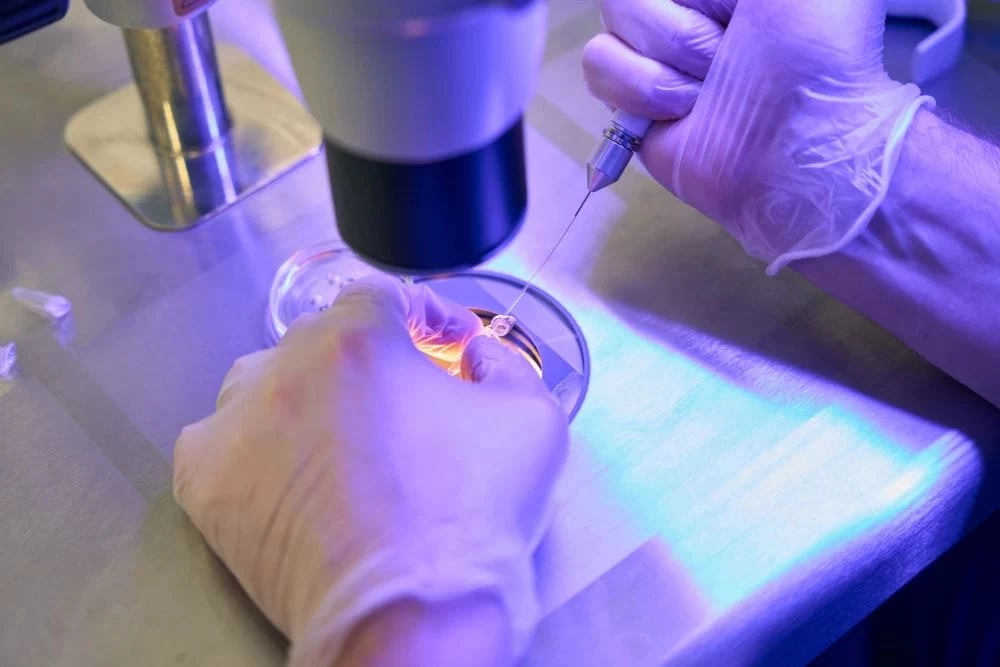
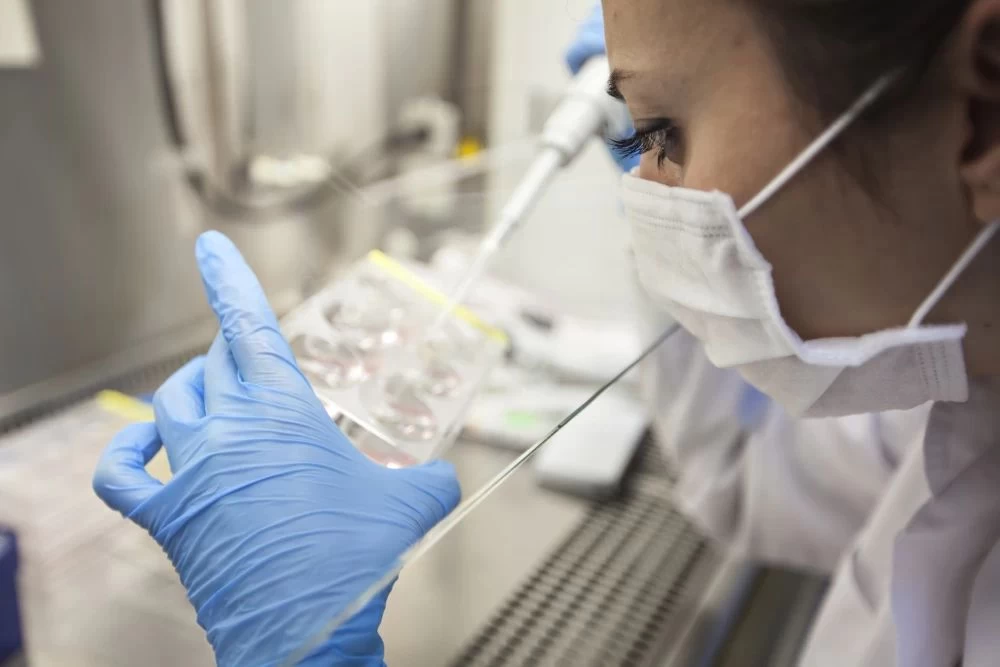

In vitro fertilization treatment (ICSI) helps men with Klinefelter syndrome have children by using sperm cells. The in vitro fertilization process consists of many steps and the success rate may vary depending on various factors.

Klinefelter Syndrome and Sperm Production
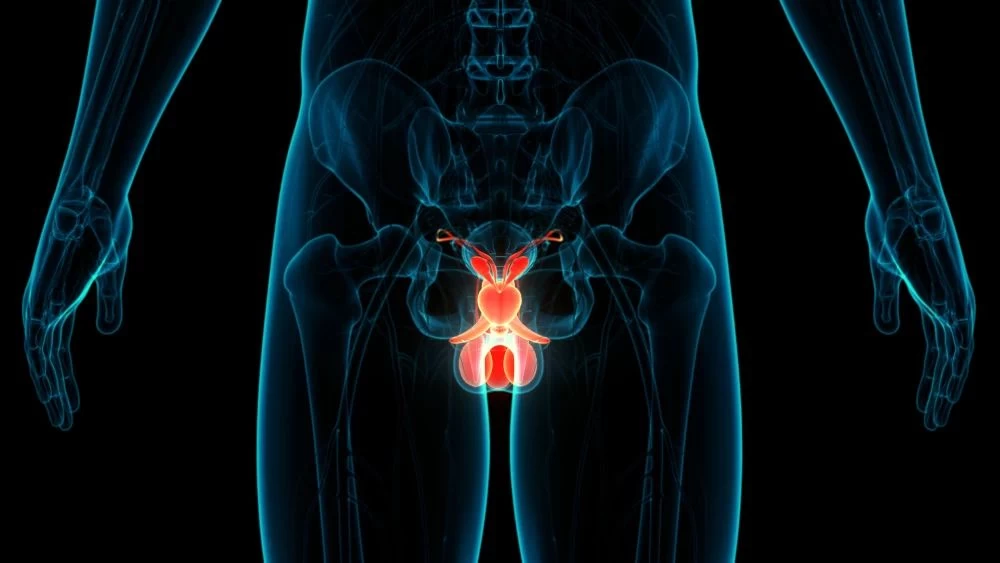
Klinefelter syndrome is a genetic disease most common in men who do not have sperm in their semen (azoospermia) due to sperm production disorder. This condition, which is seen only in men, occurs because individuals have an extra X chromosome and is generally characterized by the 47,XXY chromosome structure. In men, this condition can cause testicles that are smaller and underdeveloped than normal, low testosterone levels, and an absence of sperm (azoospermia), which often leads to infertility. 90% of men with non-mosaic (47,XXY chromosome structure) Klinefelter syndrome are azoospermic. Approximately 10% of men with Klinefelter syndrome experience infertility due to severe oligozoospermia (low sperm count). In the study conducted by Lanfranco et al., sperm was found in the semen of 11 (8.4%) of 131 men with Klinefelter syndrome.
The Role of Sperm Availability in Infertility Treatment
Conditions such as Klinefelter syndrome can affect the development of men's testicles, reducing their chances of having children. If individuals whose reproductive health is negatively affected are married and want to have children, it is now possible to have children with in vitro fertilization methods.
In Klinefelter syndrome, even if men have azoospermia ( no sperm in the semen), there may be protected areas within the testicle that can produce sperm. Sperm cells of men with azoospermic Klinefelter syndrome can be found by examining testicular tissue with micro-TESE surgery. Using the microinjection (ICSI) method, normal morphology and motile sperm cells are injected into the egg cell to initiate the fertilization process and embryo formation.
Clinical findings such as hormonal levels (FSH, LH, male hormone, estradiol, inhibin B, prolactin) and testicular volume in the evaluation of men before micro-TESE do not help predict the success of finding sperm in men with Klinefelter syndrome. In a 2006 study conducted on 74 men with Klinefelter syndrome, it was determined that male age may play a role in the success of finding sperm in Micro-TESE surgery.
In Vitro Fertilization Process and Pregnancy Rates
During the in vitro fertilization process, the patient’s wife eggs are enlarged and matured with hormone medications starting from the 2nd or 3rd day of the menstrual period. Egg collection is performed by entering the ovaries vaginally with a needle under local anesthesia. The fertilization process is carried out by injecting healthy sperm cells obtained from men with Klinefelter syndrome through micro-TESE surgery into the egg cell using the microinjection (ICSI) method in the laboratory. The fertilized eggs then progress to the embryo stage and are monitored in the laboratory until the fifth day. Healthy embryos are placed back into the expectant mother's uterus. After the embryo is placed in the uterus, it is checked with a blood test approximately 10-14 days later whether pregnancy has occurred. In one study, sperm could be obtained during the first TESE procedure in 34.8% (48 patients) of 138 patients with Klinefelter syndrome. In a study of 106 men with Klinefelter syndrome, micro-TESE showed a 47% success rate in finding sperm in 50 men. Pregnancy was achieved in 53% of the partners by microinjection with the sperm obtained. When microinjection results were compared with sperm obtained from other azoospermic men without genetic problems, pregnancy rates were found to be similar. The success of finding sperm in the second micro-TESE surgery in men with Klinefelter syndrome who had no sperm in the first micro-TESE surgery was reported in the article published in 2021. In a series of 125 cases, it was reported that sperm was found in the second surgery in 7 of 14 men with Klinefelter syndrome whose first micro-TESE attempt failed. According to these results, it has been shown that the surgeon's experience and laboratory contribution can make a difference in the micro-TESE operation.

Factors Affecting IVF Success Rates
The success of in vitro fertilization treatment may vary depending on various factors. Sperm count and quality are the most important factors for increasing the chances of pregnancy in couples with young women, that is, women with good egg quality. There is no significant difference between the egg fertilization rates and pregnancy rates after microinjection between sperm obtained from azoospermic men whose women are similar in age and who do not have genetic structural disorders and sperm obtained from men with Klinefelter syndrome. As a result, it has been determined that when sperm is obtained from men with Klinefelter syndrome with micro-TESE, their chances in the in vitro fertilization process are the same as other azoospermic men.
Frequently asked Questions:
What are the chances of sperm being found in men with Klinefelter syndrome?
When we look at the literature on Klinefelter syndrome in men in general, different success rates have been reported from different centers depending on the technique used to obtain sperm. We can say that on average, men with Klinefelter syndrome have around 50% success in obtaining sperm from testicular tissue.
What is Micro-TESE?
In cases of azoospermia that is not due to obstruction, that is, due to sperm production disorder of the testicle, microdissection is the abbreviation of the name TESE, which is a special surgery performed to find sperm cells within the testicular tissue. It is a microsurgical procedure. Sperm obtained from the tissue are used in in vitro fertilization applications or are frozen and stored for future use.
It is important for men with Klinefelter syndrome to be evaluated and followed up by a specialist urologist before and during the in vitro fertilization process.
References
- The Klinefelter Syndrome and Testicular Sperm Retrieval Outcomes
- Aging may adversely affect testicular sperm recovery in patients with Klinefelter syndrome
- Is genetic fatherhood within reach for all azoospermic Klinefelter men?
- Klinefelter syndrome: does it confer a bad prognosis in treatment of nonobstructive azoospermia?
- Efficacy of the second micro–testicular sperm extraction after failed first micro–testicular sperm extraction in men with nonobstructive azoospermia
