
What is Preimplantation Genetic Testing (PGT)?

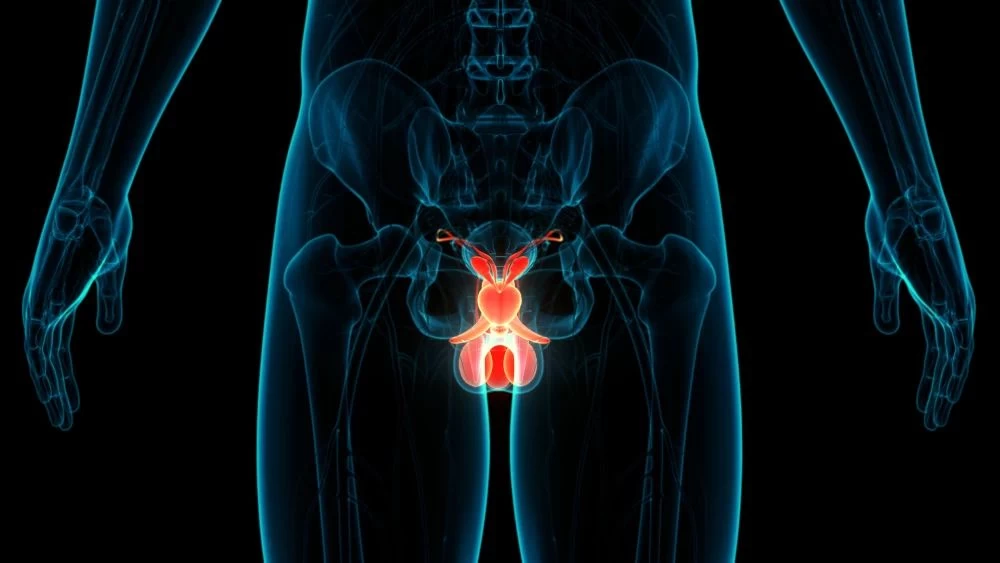
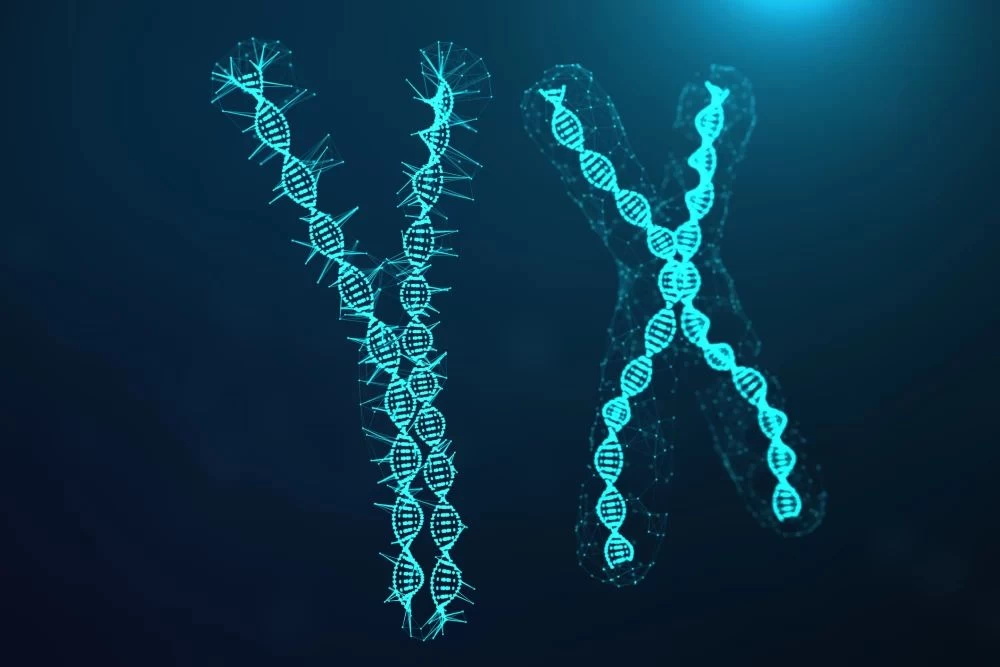
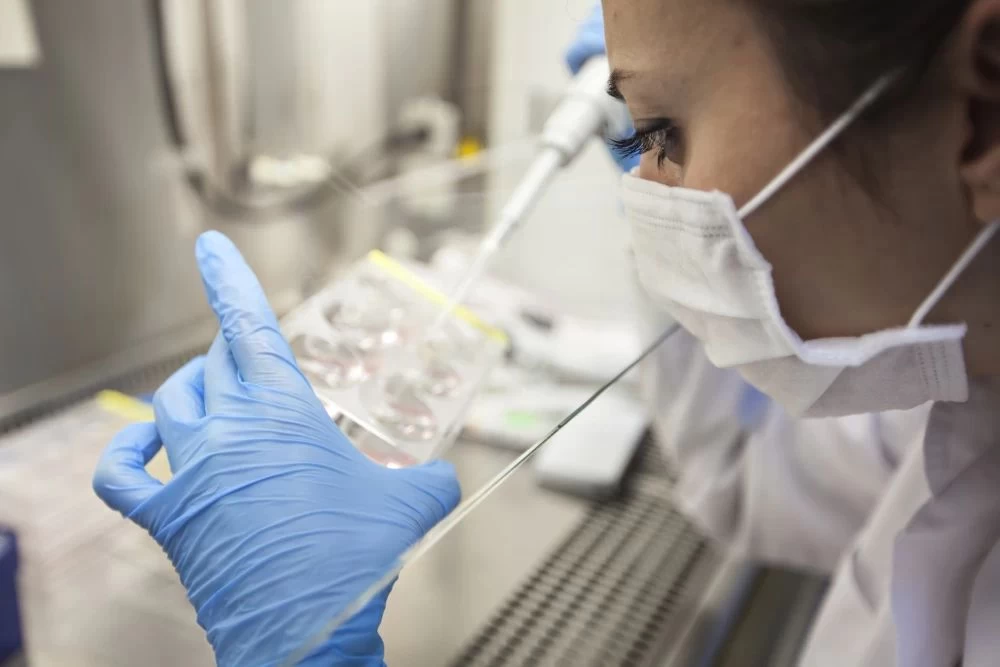
Genetic science now allows for genetic examinations to be performed on embryos developed through in vitro fertilization. This method is known as "Preimplantation Genetic Testing (PGT)," or "genetic diagnosis in embryos." This process involves testing cells from embryos created in a lab through the fertilization of egg and sperm cells.
These cells are analyzed using specialized methods to diagnose numerical and structural chromosome disorders, as well as single gene diseases (such as Mediterranean anemia, sickle cell anemia, and Cystic Fibrosis) in the unborn baby. Consequently, only healthy embryos are transferred to the expectant mother, leading to the birth of healthy babies.

What is the Purpose of PGT?
PGT is crucial for individuals who carry hereditary diseases and risk transmitting them to their children. It helps identify genetic diseases in individuals and embryos, significantly aiding couples in having healthy children. Using various techniques, it is now possible to detect many hereditary diseases at the in vitro fertilization stage, before implanting the embryos in the womb.
The primary purpose of Preimplantation Genetic Tests is to identify genetic diseases during the pre-pregnancy period, i.e., at the embryo stage. It's also used in couples undergoing in vitro fertilization due to recurrent pregnancy losses or a history of having babies with abnormalities (like Down syndrome).
In Which Situations Is PGT Recommended?
PGT is advised for couples with a history of genetic diseases or who are carriers of hereditary diseases and wish to have healthy children. It is especially common for couples with a high risk of passing on single gene diseases or chromosomal disorders to their offspring. PGT is also valuable for couples with genetic mutations that cause familial cancer syndromes.
Furthermore, PGT is recommended for families undergoing in vitro fertilization due to infertility, even if they don't have a known genetic issue. It is particularly useful for couples with advanced maternal age, repeated unsuccessful in vitro fertilization attempts, or a high risk of pregnancy-related diseases.
PGT is recommended in cases like:
- One or both partners being carriers of a common genetic disease (autosomal recessive),
- One partner having a genetic disease (autosomal dominant),
- Presence of a chromosomal translocation in one partner,
- Having a child with a genetic disease,
- Seeking healthy and HLA-compatible siblings for children with diseases like thalassemia or leukemia,
- Repeated IVF failures,
- Advanced maternal age (38 years and older),
- Recurrent pregnancy losses,
- Unsuccessful IVF attempts,
- Severe male infertility,
- Unexplained infertility.
What Are the Advantages of PGT?
When recommended for suitable couples in in vitro fertilization treatments, PGT:
- Enables families to have healthy children,
- Reduces pregnancy losses,
- Increases the chances of a successful pregnancy,
- Protects the family from the medical and psychological trauma associated with pregnancy termination,
- In diseases like thalassemia, allows for tissue typing in embryos, providing treatment options for a sick child.
PGT is a cost-effective and beneficial diagnostic
method compared to the challenges faced by families due to pregnancy losses, the lifelong health issues of children born with illnesses, the complexities of treating these diseases, and the high costs of treatment.
