

Men with More than Two X Chromosomes
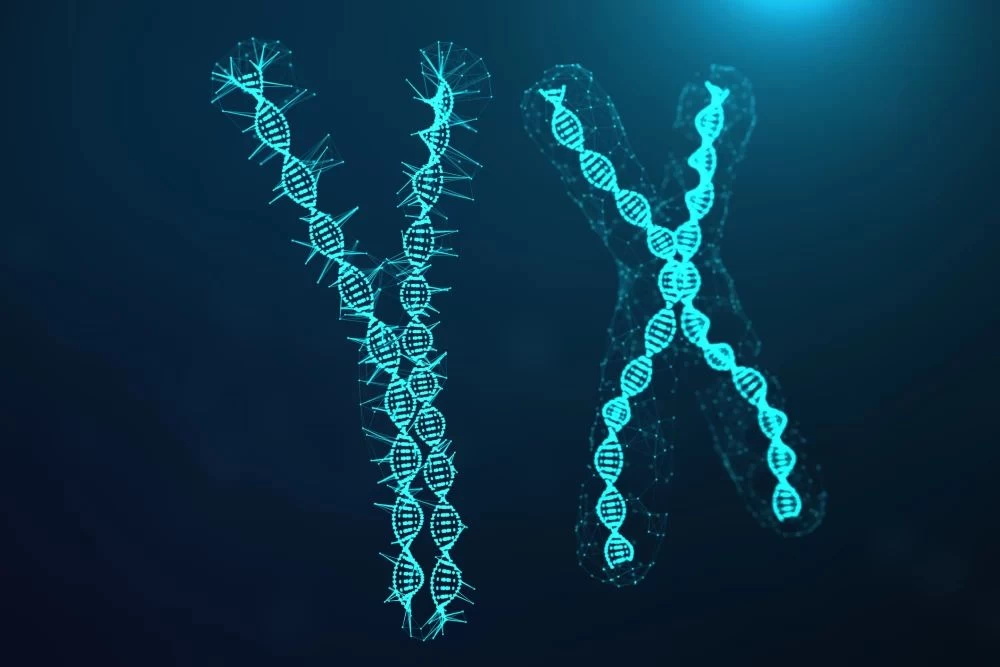
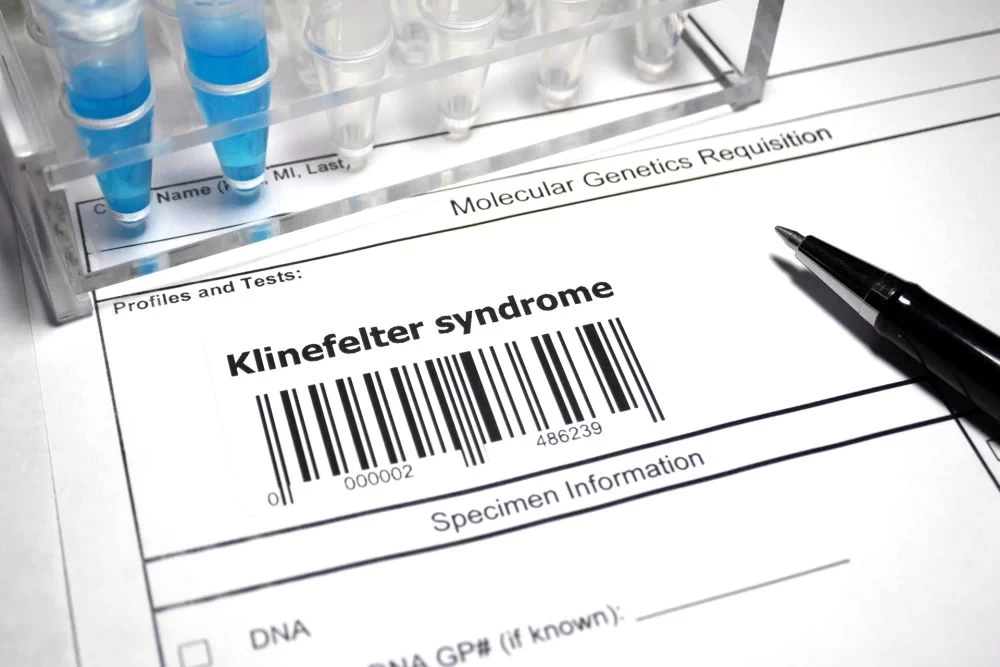

In the past, doctors noticed some specific symptoms and more severe problems in certain men who didn't exactly fit the classic description of Klinefelter Syndrome (KS), a condition where a man has an extra X chromosome. Despite these differences, many researchers started to label any man with an extra X chromosome as having KS or a related condition. This was mainly because these men often shared certain features, like being very tall and having a condition where the testes produce less sex hormones than usual.
However, some experts argue that these cases are different from typical KS. They suggest that these conditions should be called high-grade aneuploidies of the sex chromosomes (HGA) with a male appearance. HGA includes various chromosomal patterns like 48,XXXY; 48,XXYY; and others. These can appear in 'pure' forms or as mixtures (mosaics), leading to a wide range of physical traits.
HGAs are quite rare, with their occurrence ranging from 1 in 17,000 to 1 in 100,000 men, depending on the specific type. This is much rarer than KS, which is found in about 1 in 650 men. There are only a few reported cases of some HGA types, making them less well-known compared to KS."
Patients with high-grade aneuploidies of the sex chromosomes (HGA), which is a group of conditions where individuals have extra sex chromosomes, often experience a condition known as hypergonadotropic hypogonadism. This means their testes are less functional than normal, often leading to more severe problems compared to those with Klinefelter Syndrome (KS). This can result in underdeveloped genitals and other issues becoming noticeable around puberty. Adults with certain types of HGA show more extensive damage in their testicular tissue than those with KS.
A study comparing HGA with KS found that patients with HGA showed signs of testicular damage at a younger age. This includes earlier and higher increases in certain hormone levels and lower testosterone during adolescence. However, these differences were not seen in adults. HGA patients also had higher levels of cholesterol and similar glucose metabolism compared to those with KS. Currently, there's no specific treatment for HGA, and testosterone therapy is generally given in the same way as for KS.
People with HGA usually have more noticeable physical and developmental differences compared to those with KS. This includes facial and skeletal differences, developmental delays, neurological symptoms, and dental issues. These more significant differences in HGA compared to KS might be because of the way genes from the extra chromosomes are expressed.
In summary, HGA involves more severe and earlier development of testicular issues compared to KS, along with distinct physical and developmental characteristics. Current treatments and understanding of HGA are still evolving.
As the number of extra X chromosomes in individuals with high-grade aneuploidies of the sex chromosomes (HGA) increases, their physical and mental development is more significantly affected. It's roughly estimated that each additional X chromosome can lower a person's intelligence quotient (IQ) by about 15 points. Language skills are usually the most impacted. Additionally, people with HGA often have behavioral issues like problems with attention, impulsivity or aggression, and unstable moods.
The full range of physical and mental characteristics (phenotype) associated with different types of HGA is still not completely understood. These characteristics may depend on how severe the genetic defect is, how much androgen (a type of hormone) the body produces, and how sensitive the body is to androgen.
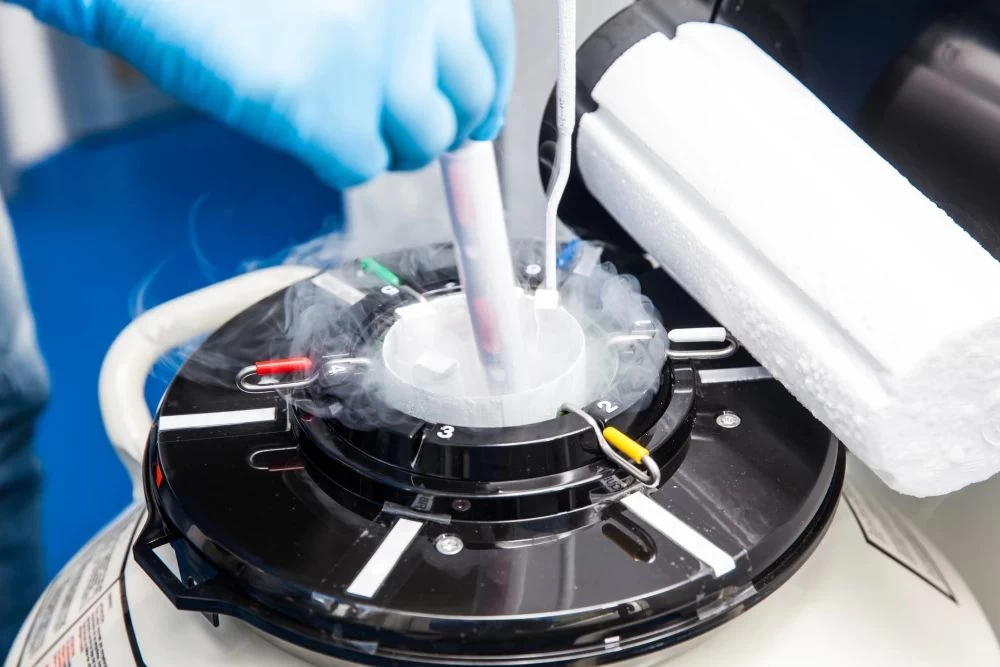
Patients with certain genetic conditions, like those discussed earlier, are often unable to produce sperm (a condition known as azoospermia), making them infertile. However, thanks to advances in medical technology, there's now hope for these individuals to become fathers. Modern surgical techniques, along with assisted reproduction technology (ART), can make this possible.
One such technique is testicular sperm extraction (TESE), including its more refined form, microdissection TESE (micro-TESE). In this procedure, doctors surgically remove sperm directly from the testes. This sperm can then be used in a process called Intra-Cytoplasmic Sperm Injection (ICSI), a common method in assisted reproduction, especially for men with Klinefelter Syndrome (KS).
Various factors have been studied to see if they can predict the success of TESE, such as the size of the testicles, specific genetic markers, and hormone levels. However, so far, none of these factors have been consistently helpful in predicting success in clinical practice.
There's an encouraging case report of a 30-year-old man with a specific genetic makeup (non-mosaic 48,XXYY) who underwent a successful micro-TESE. His partner was able to become pregnant with an embryo that had a normal chromosome makeup. This case shows the potential of these technologies to help even those with complex fertility issues.
