
Using Fresh Sperm or Frozen Thawed Sperm for In Vitro Fertilization (ICSI) Procedure
In cases of genetic conditions like Klinefelter syndrome that impact reproductive capabilities, ICSI (Intracytoplasmic Sperm Injection), a specialized form of in vitro fertilization, emerges as a crucial option. The process of selecting sperm for this procedure is intricate and demands expert handling in a well-equipped clinic. The decision between using fresh or frozen-thawed sperm is nuanced and depends on various factors. These include the individual’s sperm production status, their overall health history, and the specific guidance provided by the specialist. Making the right choice in this context is essential for the success of the procedure.

How to Obtain Sperm from Men with Klinefelter Syndrome?
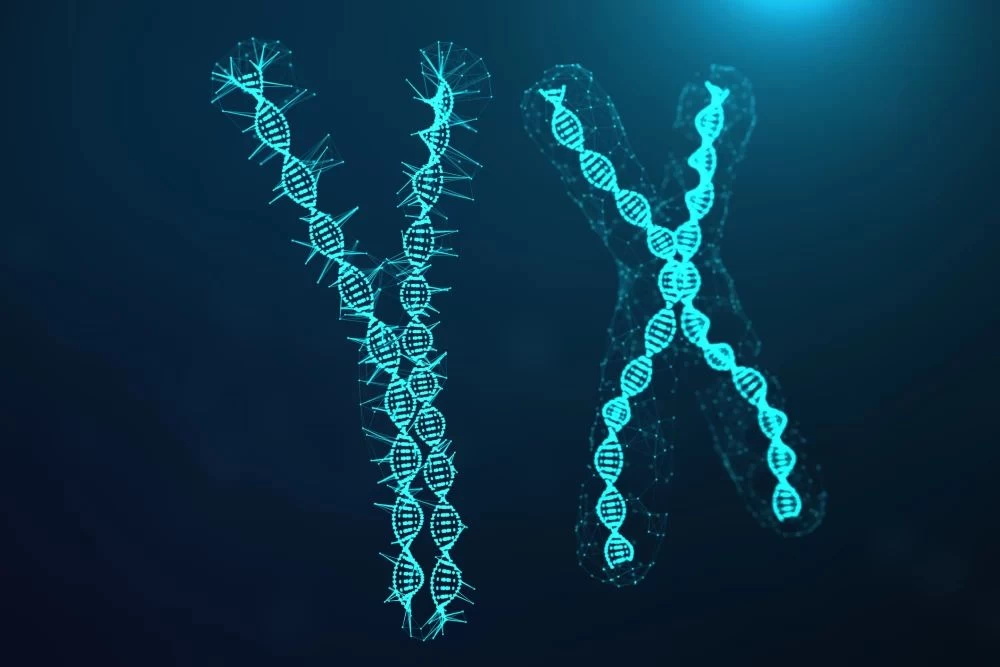
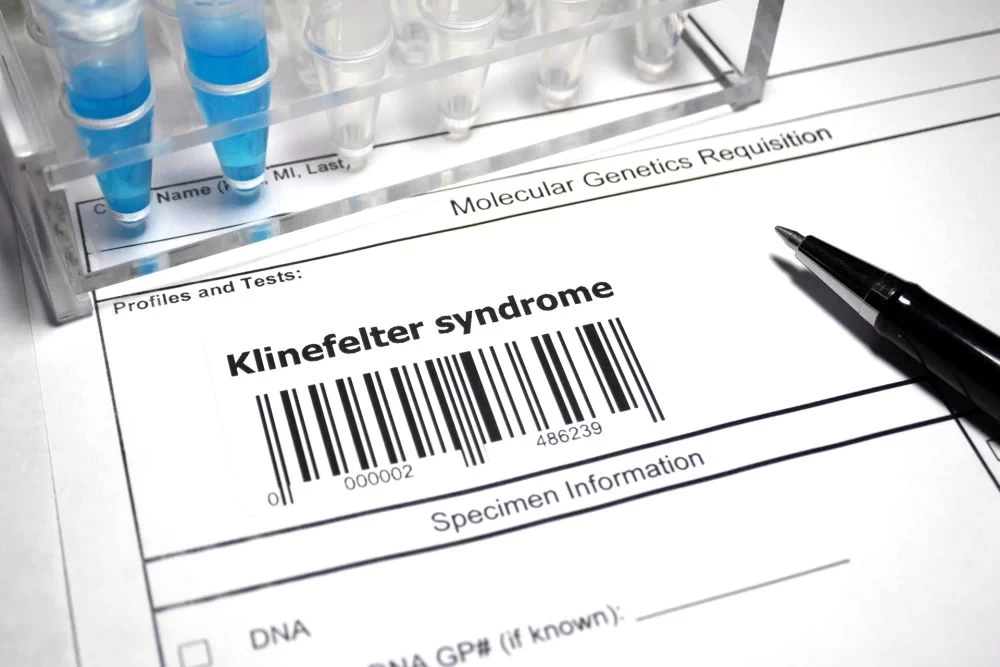
Klinefelter syndrome, a genetic condition characterized by a 47, XXY chromosome pattern in men, often leads to reduced sperm production or structural and hormonal testicular disorders, resulting in azoospermia (the absence of sperm). Currently, fatherhood for men with Klinefelter syndrome is primarily achievable through in vitro fertilization techniques. These men may either have azoospermia or, in rare instances, a low sperm count in their semen due to underdeveloped testicles. To retrieve sperm for ICSI (Intracytoplasmic Sperm Injection), Micro-TESE (Microdissection Testicular Sperm Extraction) surgery is employed to explore sperm-producing areas in the testicular tissue. During this surgery, tissue samples are taken from the testicle to search for sperm in a laboratory setting. Sperm cells extracted from testicular tissue can then be utilized in IVF treatments. Any sperm that remains after the microinjection process can be cryogenically preserved for future use.
Men with Klinefelter syndrome have the option to use either fresh or frozen-thawed sperm for egg fertilization in ICSI. A study analyzing data from 2003 to 2013 compared the outcomes of ICSI using both fresh and frozen-thawed sperm from testicular tissue. This study evaluated factors such as the number of eggs retrieved, fertilization rates, embryo development, and pregnancy rates post-transfer. The results indicated that using either fresh or frozen sperm for ICSI did not significantly impact fertilization or pregnancy rates
What is Fresh Sperm and Frozen Sperm?
Fresh sperm refers to sperm samples collected and immediately used post-ejaculation. This approach is aimed at maximizing the motility and vitality of the sperm, crucial factors for successful fertilization. However, when using fresh sperm, it is essential to rapidly transport the sample to the laboratory for prompt selection of the highest quality sperm cells to enhance treatment success.
On the other hand, frozen sperm are samples that have been cryopreserved for future use. Stored under specific conditions, these sperm are maintained in long-term storage facilities, typically involving liquid nitrogen. They are thawed as needed for use in fertility treatments. Similarly, sperm retrieved from testicular tissue in men with azoospermia can also be frozen and stored efficiently for later use.
Image. Freezing tanks where sperm, eggs or embryos are stored. Cells can be stored in liquid nitrogen for many years without deterioration.

Frozen sperm is often the preferred choice in scenarios where obtaining fresh sperm is challenging or when there's a necessity to preserve sperm prior to undergoing treatment. However, the processes of freezing and thawing can impact the viability and motility of sperm cells. Consequently, frozen sperm might exhibit lower levels of motility and overall viability compared to fresh sperm. This is particularly pertinent in cases of Klinefelter syndrome, where meticulous management of freezing and thawing procedures is crucial.
The success rates of using frozen sperm can vary and are generally lower than those of fresh sperm. This variation is influenced by factors such as storage conditions and the proficiency of the laboratory in handling such procedures. Additionally, the quantity of sperm retrieved from testicular tissue is a critical factor in both the freezing process and in ensuring the recovery of high-quality sperm post-thaw.
The Micro-TESE method, which involves extracting sperm from the testicular tissue by targeting sperm-producing areas, has improved the yield of sperm retrieval. This increase in the number of sperm obtained enhances the likelihood of finding viable sperm after the freezing and thawing process, thereby potentially increasing the success rates of fertility treatments in men with Klinefelter syndrome.
Effects of Fresh and Frozen Sperm Options on ICSI Success
The choice between fresh and frozen sperm during IVF procedures can be crucial to the success of the treatment. Fresh sperm is typically preferred for its high levels of motility and vitality. In IVF centers, it is common practice for doctors to prepare women with hormonal drugs, synchronizing the availability of fresh sperm obtained from testicular tissue for egg injection. However, the absence of sperm in a concurrent micro-TESE procedure can lead to significant psychological and financial strain for couples.
In situations where, fresh sperm is not viable, such as before cancer treatments like chemotherapy or radiotherapy, a sperm sample is collected from the ejaculate. If the sperm's quality and quantity are sufficient, it is frozen for future use in IVF. Research indicates that pregnancy outcomes from IVF using thawed frozen sperm are comparable to those using fresh sperm. This is particularly relevant for men with Klinefelter syndrome and other forms of azoospermia. When sperm is retrieved from testicular tissue, it is preserved by freezing. Studies have shown no significant difference in pregnancy and live birth rates between the use of freshly obtained testicular sperm and those that have been successfully frozen and thawed.
The success rate of sperm retrieval has been enhanced by Micro-TESE surgery, particularly in terms of finding motile and viable sperm after freezing and thawing. Consequently, the success rates of pregnancies and live births after microinjection (ICSI) with frozen-thawed testicular sperm are comparable to those with fresh sperm.
A comprehensive study by Corona et al. in 2017, which involved a large series of cases, examined the impact of using frozen versus fresh sperm on pregnancy outcomes. The data revealed no significant difference in pregnancy and live birth rates between the two. These findings suggest that both fresh and frozen testicular sperm offer equivalent and alternative options in IVF treatments for men with Klinefelter syndrome and other azoospermic men resulting from testicular sperm production disorders.
References
- Sperm recovery and ICSI outcomes in Klinefelter syndrome: a systematic review and meta-analysis
- Outcome of intracytoplasmic sperm injection using fresh and cryopreserved-thawed testicular spermatozoa in 83 azoospermic men with Klinefelter syndrome
- European Academy of Andrology Guidelines on Klinefelter Syndrome
