
Second Micro-TESE Success in Men With Klinefelter Syndrome When the First Attempt Failed

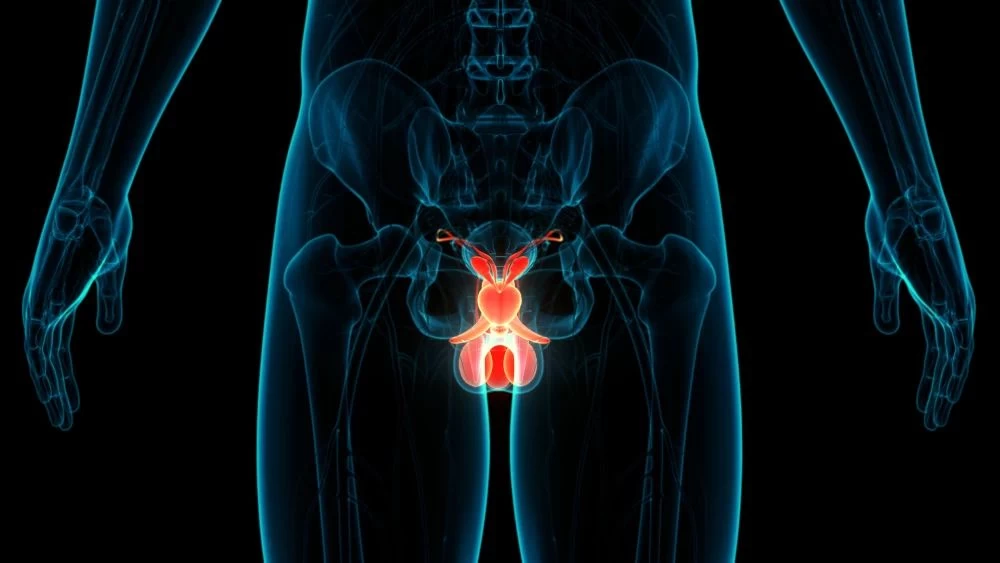
Klinefelter Syndrome, characterized by a 47,XXY chromosome structure, significantly impacts men's reproductive health. This genetic condition impairs the normal sperm-producing ability of the testicles. Due to this impairment, the testicles release gonadotropins – hormones secreted by the pituitary gland responsible for sperm production (FSH) and male hormone production (LH) – at excessively high levels. Some men with Klinefelter syndrome may also exhibit low levels of male hormones. However, increasing these hormone levels through treatment does not naturally restore sperm production, as the failure of sperm production is not dependent on the elevated levels of gonadotropin hormones.
The intra-testicular structure in men with Klinefelter syndrome significantly differs from that of chromosomally normal men. Genetic abnormalities lead to the failure of testicular development after puberty, altering the internal structure of the testicles. The tiny tubules, or channels, where sperm production occurs, do not grow properly, or the germ cells within these tubules may disappear after puberty. Consequently, some tubules become extremely small, resembling thread, with collapsed lumens, or they may disappear entirely. Therefore, hormone treatments are ineffective in inducing sperm production in men with Klinefelter syndrome.
Nevertheless, in some men with Klinefelter syndrome, the level of male hormone (testo****one) is decreased and below normal. This hormone is essential for metabolism, providing men with increased muscle strength, energy, and libido, as well as protecting them from conditions such as diabetes and decreased bone density. Therefore, if male hormone levels are low, it is recommended to administer hormone treatment to men with Klinefelter syndrome before undergoing Micro-TESE surgery. However, there is no scientific evidence to suggest that normalizing male hormone levels increases the success rate of sperm recovery with micro-TESE in men with Klinefelter syndrome
In recent times, men with Klinefelter syndrome have the opportunity to father children thanks to advances in in vitro fertilization (IVF) methods. It's notable that in approximately 90% of men with Klinefelter syndrome, sperm cells are absent from the semen or ejaculate. Consequently, natural conception with their partners is typically not feasible. However, the advent of sperm retrieval techniques from testicular tissue, particularly the Micro-TESE method, has opened the door for men with Klinefelter syndrome—who were once considered infertile—to potentially become fathers.
What is the Success of Micro-TESE in Men with Klinefelter Syndrome?
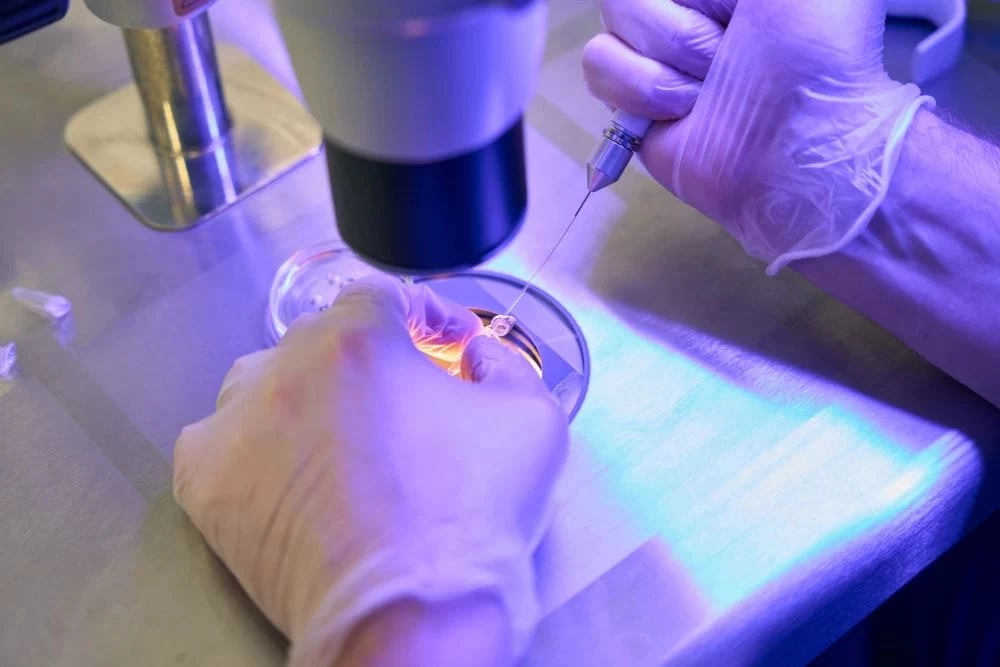
Micro-TESE is a microsurgical technique used in men with sperm production issues. During the procedure, testicular tissue is closely examined under high magnification (20 or 24 times) using an operating microscope. This microscope enables the identification and enlargement of small tubules, from which sperm-producing channels in rare areas are selected and extracted.
The primary goal of micro-TESE is to locate sperm-producing channels within the testes. Sperm cells, once extracted by breaking down the channel walls, can be processed in an in vitro fertilization laboratory and then frozen for future use. These frozen sperm can be thawed and utilized for fertilization in IVF treatments, following the preparation of the patient's spouse. In a study involving men with Klinefelter syndrome, sperm retrieval from testicular tissue was successful in 42 of 74 patients (56.7%). Micro-TESE has proven that even men with Klinefelter syndrome, who were previously thought to have minimal chances of sperm production, can still produce sperm in their testicular tissue. In another study, 218 pregnancies were reported following 410 ICSI (intracytoplasmic sperm injection)
What is Micro-TESE Failure and What are the Reasons?
Micro-TESE failure refers to the unsuccessful retrieval of viable sperm cells from the testicle during the Micro-TESE (Microscopic Testicular Sperm Extraction) procedure. This can happen for various reasons, and understanding these can be crucial for patients and medical professionals. Here are the primary reasons for Micro-TESE failure:
- Nonobstructive Azoospermia or Testicular Organ Failure: In cases of nonobstructive azoospermia, there is an absence or severe reduction of sperm production in the testicles. This may be due to the absence of germ cells (cells that develop into sperm) within the testicular tubules. Conditions like germ cell aplasia or Sertoli Cell Only Syndrome are examples where germ cells are missing. In other cases, sperm development might cease prematurely, a condition known as maturation arrest. In men with Klinefelter syndrome, for instance, the testicular tubules might be underdeveloped or extremely thin. However, small, normally functioning tubules might still be present due to the genetic nature of the disorder (extra X chromosome).
- Insufficient Sperm Retrieval: Sometimes, the Micro-TESE procedure may yield a very low number of sperm, which may not be enough for effective fertilization. This is particularly challenging in Klinefelter syndrome, where viable sperm-producing tubules might be limited and yield only a minimal number of sperm. Freshly used sperm, as opposed to frozen and thawed sperm, tend to have better outcomes in terms of fertilization and embryo development.
- Quality of Sperm Cells: The structural integrity of the retrieved sperm is another crucial factor. In some cases, the sperm may be amorphous or have significant morphological abnormalities, which can hinder successful fertilization and healthy embryo development.
- Operation Technique and Experience: The success of Micro-TESE greatly depends on the skill and experience of the surgical and embryology teams. Recognizing viable testicular tissue, especially in men with Klinefelter syndrome, requires specific expertise. The embryology team must also be adept at handling and extracting sperm from the minute testicular tissues obtained through Micro-TESE.
It is important to remember that Micro-TESE outcomes can vary significantly among individuals. A specialized, experienced medical team should evaluate each case individually to develop a tailored approach for the best possible outcome.
Image: View taken from the operating microscope of the testicle of a man with Klinefelter syndrome. In the first photo, the tubule structure (sperm-producing channels) can be seen at x24 magnification. In the second photo, the channels that produce sperm with the forceps tip can be seen again at high magnification.


What is Success with the Second Micro-TESE for Men Whose First Micro-TESE Failed?
The concept of a second Micro-TESE (Microscopic Testicular Sperm Extraction) procedure for men with Klinefelter syndrome who had an unsuccessful first attempt is an important consideration in the field of reproductive medicine. The key points of this approach include:
- Detailed Pre-Operative Evaluation: Prior to undertaking a second Micro-TESE, it's crucial to conduct a comprehensive evaluation of the patient. This includes a thorough review of their medical history, general health status, and any previous treatment protocols. Additionally, levels of pituitary hormones such as LH (Luteinizing Hormone) and FSH (Follicle-Stimulating Hormone), which are instrumental in male hormone and sperm production, are assessed.
- Psychological Support: Recognizing the emotional and psychological impact of fertility issues, offering psychological support to patients is an essential aspect of the pre-operative process.
- Individualized Treatment Plans: As each case is unique, treatment plans and decisions regarding the second Micro-TESE should be tailored to the individual patient's circumstances.
- Hormone Treatment Considerations: If low levels of male hormones are identified, treatment to increase testicular hormone production may be administered before surgery. The impact of hormone regulation on the success of sperm retrieval is a topic of ongoing debate in the medical community. While some studies suggest benefits, others find no significant advantage. For example, a 2006 study reported that factors like male hormones, FSH, LH, and testicular size do not predict the success of sperm retrieval in Micro-TESE for men with Klinefelter syndrome. Current consensus leans towards treating low male hormone levels before a second Micro-TESE, although it's not definitively proven that this increases the success rate of finding sperm.
- Success Rates in Second Micro-TESE: Research involving a series of 125 cases, where men did not have sperm retrieved in their first Micro-TESE due to sperm production disorder, showed varied success rates in the second attempt. Overall, sperm was successfully found in 23 (18.4%) of these cases. Specifically, for men with Klinefelter syndrome whose first Micro-TESE was unsuccessful, the success rate was 50% (7 out of 14 men). The study also noted instances of successful sperm retrieval in other conditions, such as men with undescended testicles, Y chromosome microdeletions (specifically the loss of the AZFc region), and azoospermia following cancer treatment.
What is the probability of pregnancy after the second Micro-TESE procedure?
The likelihood of achieving pregnancy following a second Micro-TESE procedure may vary based on sperm quality and female fertility factors. A higher sperm count can improve the chances of selecting superior quality sperm, potentially enhancing embryo quality. The condition of the embryo on the fifth day post-fertilization is also crucial. It has been found that the likelihood of a top-quality embryo, developed on the fifth day, successfully implanting and leading to pregnancy is comparable in men with Klinefelter syndrome and in men with non-obstructive azoospermia due to other sperm production disorders
If the first Micro-TESE procedure failed, how can the second attempt be successful?
The success of a second Micro-TESE procedure, following an initial failure, can be influenced by several factors including the quality of technical facilities, the expertise of the surgeon and the embryology team, and the patient's preoperative treatment. Micro-TESE, being a technically demanding microscopic surgery, is directly influenced by the surgeon's experience, the available technical resources, and the proficiency of the embryology team.
References
- Aging may adversely affect testicular sperm recovery in patients with Klinefelter syndrome
- Sperm recovery and ICSI outcomes in Klinefelter syndrome: a systematic review and meta-analysis
- Efficacy of the second micro–testicular sperm extraction after failed first micro–testicular sperm extraction in men with nonobstructive azoospermia
- Genetic Basis of Male Infertility
- Klinefelter syndrome: does it confer a bad prognosisin treatment of nonobstructive azoospermia?
